Romania's ambitions in artificial intelligence are increasingly tied to a more fundamental question: whether the country can supply large volumes of reliable electricity.
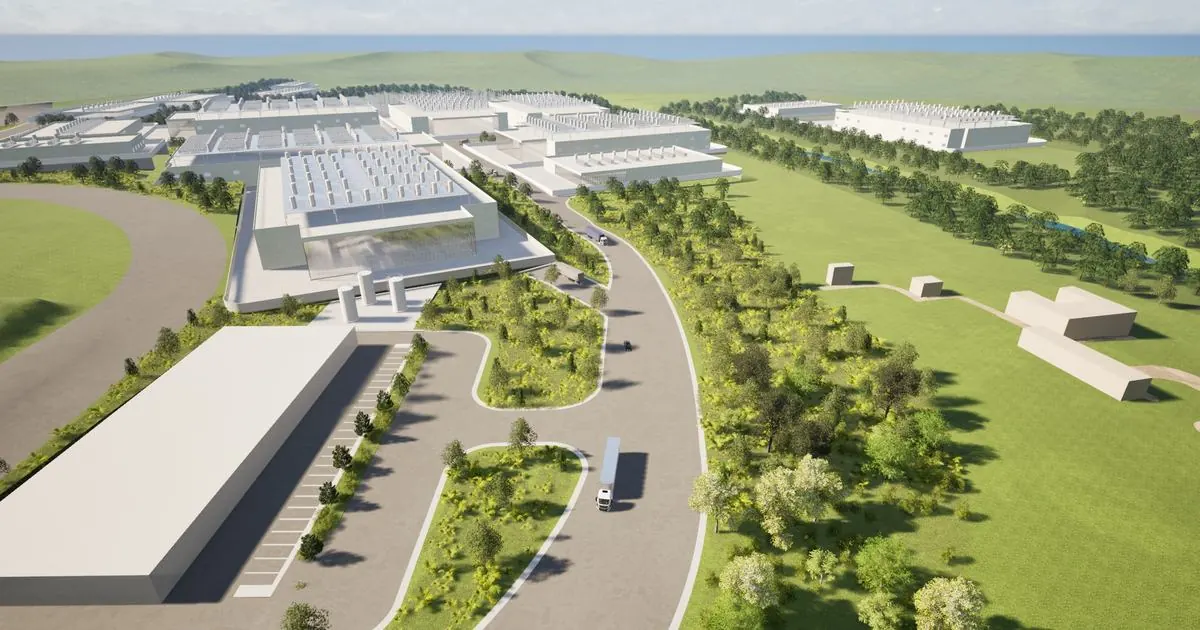
In an interview published on August 5, Adina Aurel, counsel at Wolf Theiss, said Romania could become an important regional market for AI infrastructure, supported by its diversified energy mix, extensive fiber network and comparatively competitive operating costs. She expects medium-sized pilot facilities to emerge through 2028, with campuses exceeding 100 megawatts potentially following between 2028 and 2032.
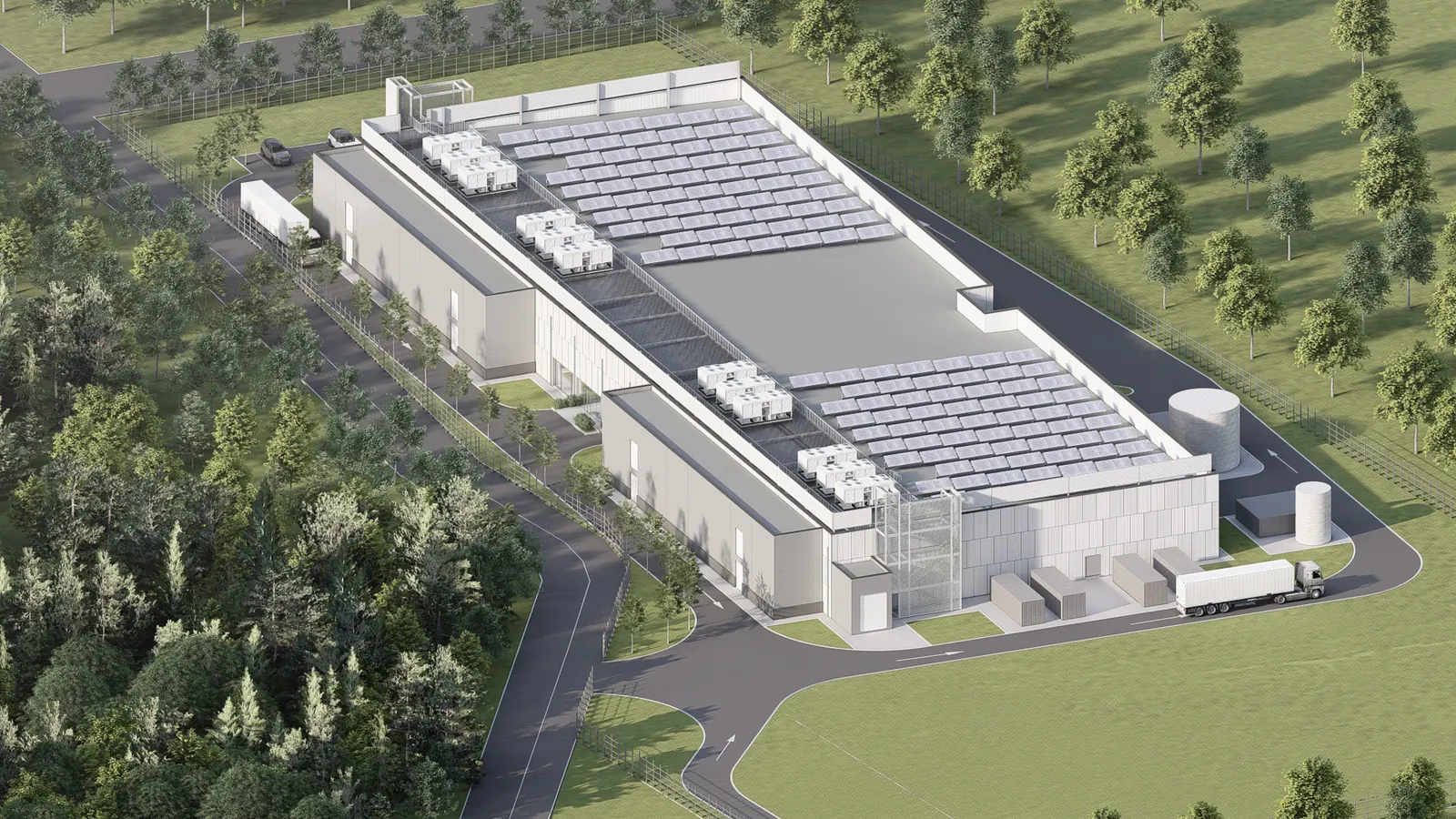
But the opportunity comes with a constraint. Grid access, firm electricity supply and the ability to scale power remain decisive. The projects most likely to attract institutional capital will be those combining data centers with renewable generation, battery storage and long-term energy agreements.